
Understanding VAT Reverse Charge in the Construction Industry: Rules, Exclusions, and Key Considerations
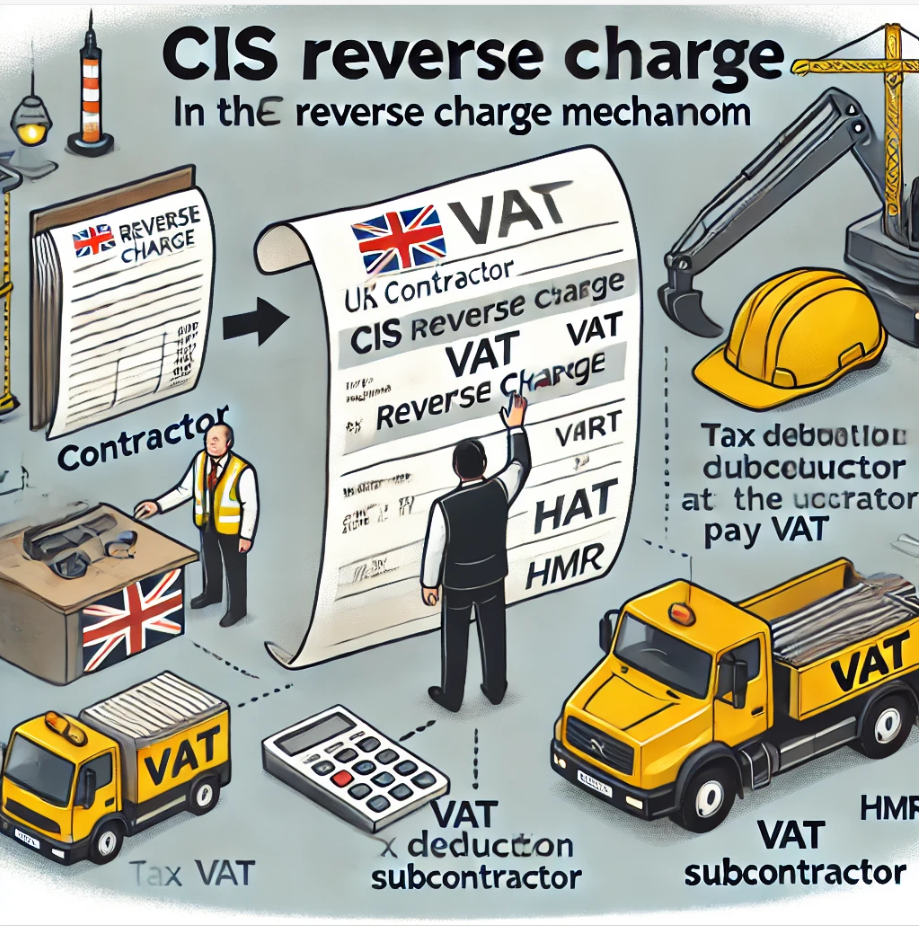
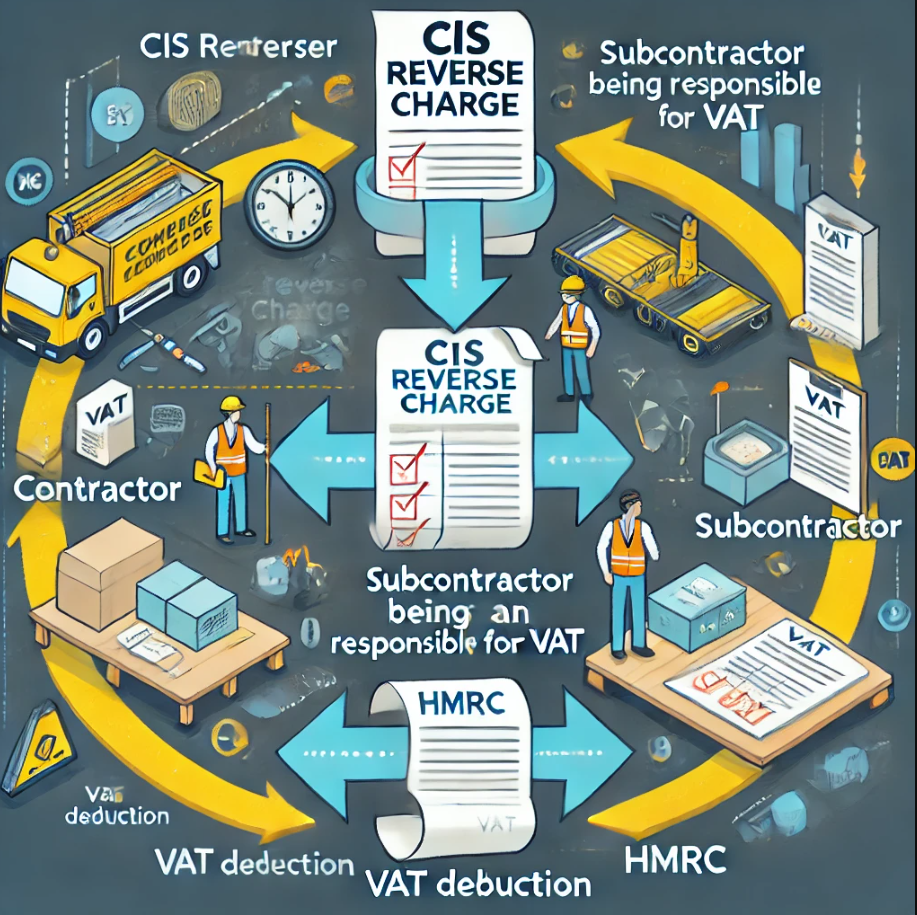
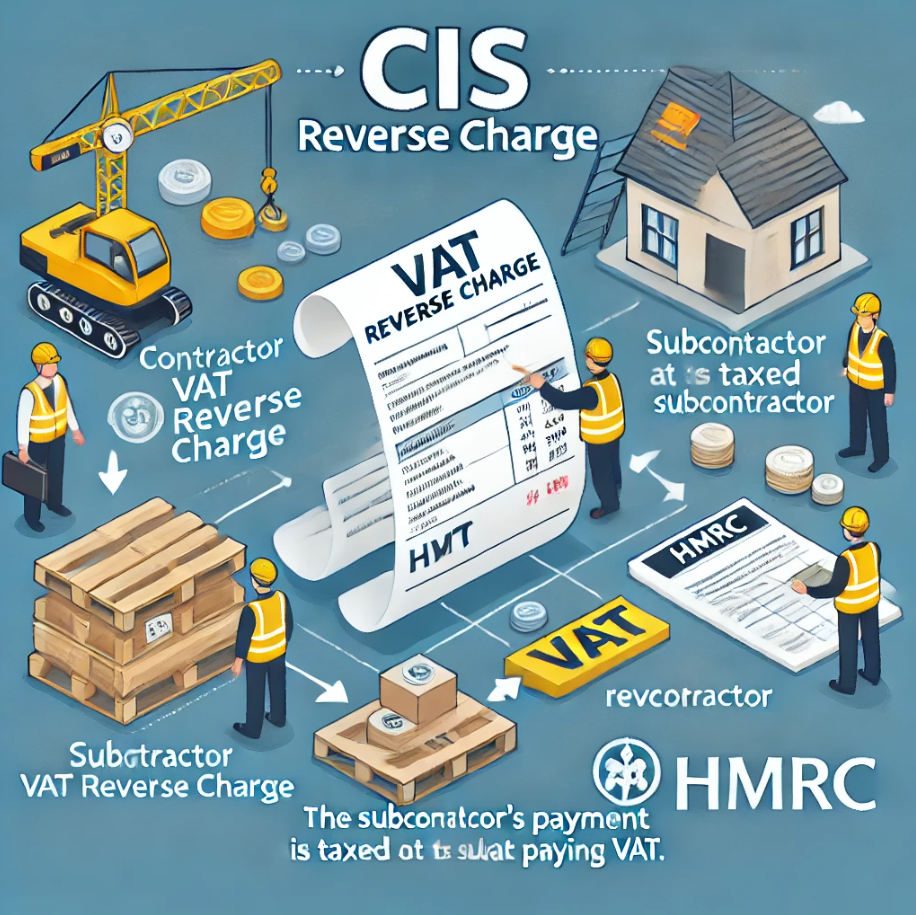
The VAT domestic reverse charge for the construction industry was introduced to combat VAT fraud. It applies to supplies of construction services between VAT-registered businesses where both the contractor and subcontractor are registered for VAT, and the Construction Industry Scheme (CIS) applies.
How the Reverse Charge Affects Labour and Material Costs
Key Rules for Labour and Materials:
For services subject to CIS and considered construction services, the reverse charge applies. This includes both labour and materials on the entire invoice.
Labour and Material Costs:
When a subcontractor provides both labour and materials to a VAT-registered contractor, and the services are standard-rated or reduced-rated for VAT purposes, the reverse charge covers the entire invoice. In this case, the subcontractor does not charge VAT. Instead, the contractor accounts for VAT on both labour and materials as output VAT on their own VAT return. Additionally, the contractor can reclaim it as input VAT, if eligible, under the standard VAT recovery rules.
However, if materials are invoiced separately, the reverse charge does not apply, and VAT must be charged on the materials in the usual way. The reverse charge only covers both labour and materials when the materials form part of a service supply under CIS.
Practical Example:
Consider a scenario where a subcontractor provides services worth £5,000 for labour and £2,000 for materials, and the reverse charge applies. The subcontractor issues an invoice for £7,000 but does not charge VAT.
What to Include on the Invoice:
Subcontractors must include a statement indicating the reverse charge applies. A common phrasing is:
“Reverse charge: Customer to account for VAT to HMRC.”
The contractor then applies the reverse charge, accounting for VAT at 20% on the £7,000 (which equals £1,400). The contractor declares the £1,400 as output tax while also reclaiming it as input tax on the same VAT return, provided they are eligible to do so.
What services are within the CIS reverse charge?
The VAT domestic reverse charge applies to specific construction services under the Construction Industry Scheme (CIS). When both the contractor and subcontractor are VAT-registered, and the supplies fall within the scope of CIS, the reverse charge may apply.
Construction, Alteration, Repair, Extension, and Demolition:
This category covers general construction work, including building, repairing, extending, or demolishing buildings and other structures. Additionally, it applies to infrastructure work, such as roads, power lines, railways, docks, harbors, and industrial or commercial structures.
Installation of Systems:
The reverse charge also applies to the installation of systems like heating, lighting, air-conditioning, ventilation, power supply, drainage, water supply, and fire protection.
Painting and Decorating:
Both interior and exterior painting and decorating of buildings and structures are included under the reverse charge.
Groundworks and Excavation:
The reverse charge covers ground preparation, excavation, and other earthworks related to construction projects.
Civil Engineering Works:
Civil engineering services, including work on roads, bridges, pipelines, waterworks, and sewage systems, are subject to the reverse charge.
Site Clearance:
Clearing construction sites, such as removing structures, trees, or vegetation in preparation for work, falls under the reverse charge.
Scaffolding:
Erecting and dismantling scaffolding, along with access platforms, is also covered.
Services Related to Building Fabric:
Work on building fabric, including plastering, flooring, tiling, and installing insulation, qualifies for the reverse charge.
Assembly and Erection of Structures:
The reverse charge applies to assembling and erecting prefabricated buildings or structures, including steel structures.
Steelwork and Framework:
Installing steelwork, such as steel frames, beams, and girders, is also included.
Cleaning:
Cleaning operations after construction work, including debris and site waste removal, fall under the reverse charge.
Services Excluded from the CIS Reverse Charge:
Conversely, the following services are excluded from the VAT domestic reverse charge under CIS. For these services, VAT must be charged and accounted for traditionally:
Drilling for or extracting oil or natural gas.
Extracting minerals, using underground or surface methods, including tunneling and boring.
Manufacturing building or engineering components, materials, plant, or machinery, or delivering these to the site.
Manufacturing components for systems such as heating, lighting, and air-conditioning, and delivering these to the site.
Professional Services: Work by architects, surveyors, and consultants in building, engineering, interior decoration, or landscaping.
Artistic Work: Creating or installing artwork like sculptures or murals, which are purely artistic in nature.
Signwriting and Advertising: Signwriting, and the erection or repair of signboards and advertisements.
Installation of Seating, Blinds, and Shutters.
Installation of Security Systems, including burglar alarms, CCTV, and public address systems.
Conclusion:
In transactions between VAT-registered subcontractors and contractors under the CIS scheme, the reverse charge applies to the entire value of the work, including materials. However, the subcontractor does not charge VAT; the contractor must account for it on their VAT return.
For more specific scenarios and detailed advice, contact us for expert assistance.